Kyle Busch: A Racing Legend’s Life, Legacy, and the NASCAR World in Mourning
He was the most polarizing man in NASCAR. The driver you loved or the driver you loved to hate — and either way, you could never look away.
Kyle Thomas Busch, born in Las Vegas on May 2, 1985, and gone far too soon on May 21, 2026, was something the sport produces once in a generation: a competitor so dominant, so relentless, so combustible and brilliant, that he permanently rewrote what it meant to be a NASCAR champion. At 41 years old, after 24 full seasons at the highest level of stock car racing, after 234 victories across three national series, after two Cup Series titles and a thousand unforgettable moments, Kyle Busch was taken by complications from severe pneumonia that developed into sepsis.
The racing world stopped. And it has not been the same since.
This is the definitive tribute — the kyle busch hommage — to the man, the driver, the competitor, and the legacy he leaves behind.
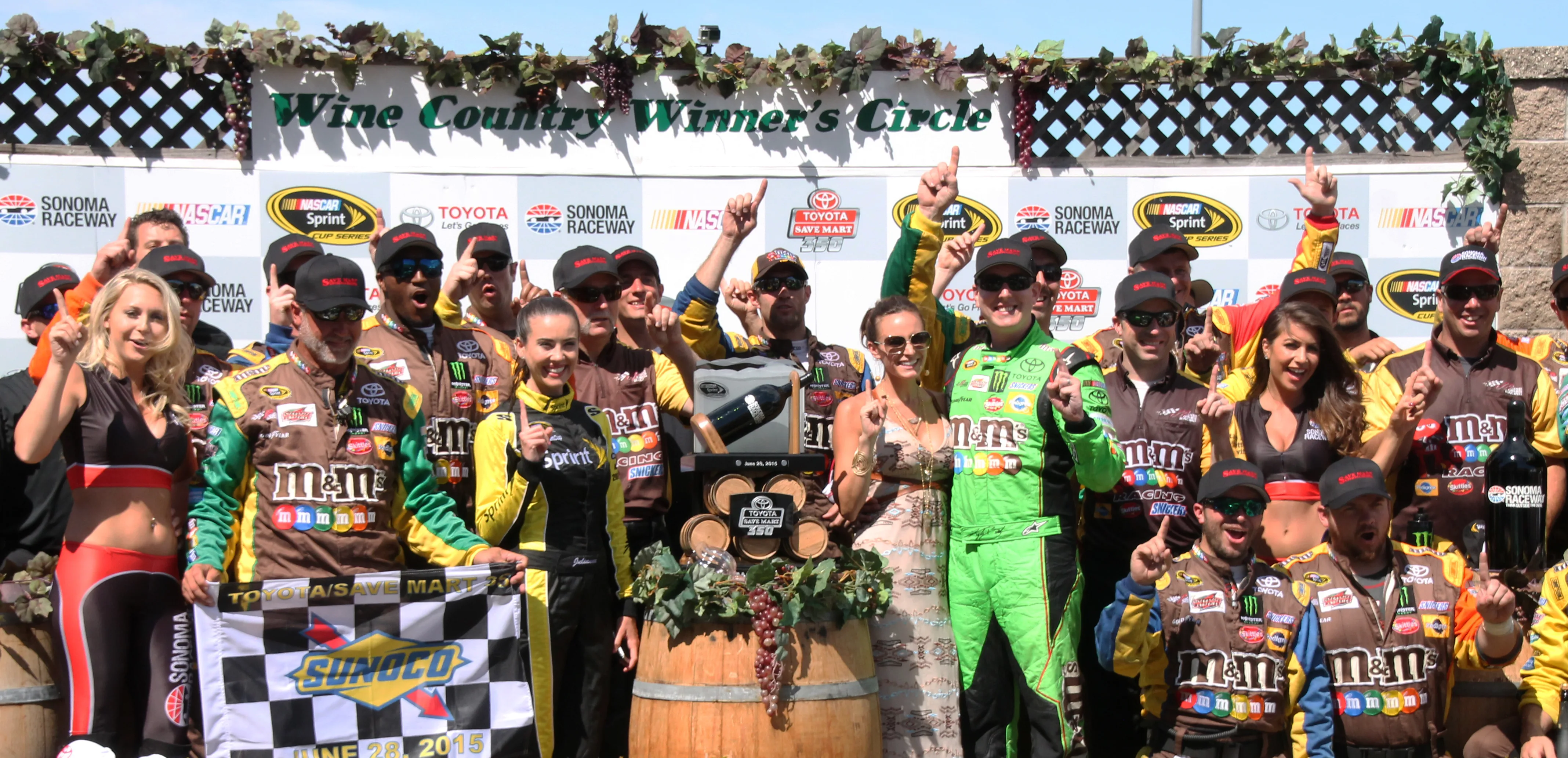
Who Is Kyle Busch?
Kyle Busch was an American professional stock car racing driver, NASCAR team owner, and one of the most accomplished motorsports competitors in the history of the sport. Born and raised in Las Vegas, Nevada, he came from a racing family — his father Tom was a mechanic turned driver, and his older brother Kurt Busch also became a NASCAR Cup Series champion.
Kyle began racing at age six. By the time he was a teenager, he had already accumulated more than 65 victories in Legends car racing. He made his NASCAR national series debut in the Craftsman Truck Series in 2001 and never stopped winning.
At the time of his passing, Kyle Busch held the all-time record for wins across NASCAR’s three national series with 234 victories — a number that no one in the sport’s history has come close to matching.
Kyle Busch Quick Facts
| Detail | Info |
|---|---|
| Full Name | Kyle Thomas Busch |
| Born | May 2, 1985, Las Vegas, Nevada |
| Died | May 21, 2026, age 41 |
| Cause of Death | Severe pneumonia leading to sepsis |
| Nationality | American |
| Career Span | 2001–2026 |
| Cup Series Races | 762 |
| Cup Series Wins | 63 |
| Total NASCAR Wins | 234 (all-time record) |
| Cup Championships | 2 (2015, 2019) |
| Primary Car Number | No. 18 (Joe Gibbs), No. 8 (RCR) |
| Nicknames | “Rowdy,” “Wild Thing,” “KFB” |
| Spouse | Samantha Busch (m. 2010) |
| Children | Two (son Brexton, daughter Lennix) |
Kyle Busch Latest News: A Sport in Mourning
The news broke on the evening of May 21, 2026: Kyle Busch, who had been hospitalized earlier that day with a severe illness that prevented him from competing in the Coca-Cola 600, had died. He was 41.
His family’s statement confirmed that the cause of death was severe pneumonia that had rapidly progressed into sepsis. Just days earlier, on May 15, he had won a race in the NASCAR Craftsman Truck Series — the Ecosave 200 at Dover Motor Speedway. It was, though no one knew it at the time, the 234th and final win of his career.
The response from NASCAR was immediate and overwhelming.
Richard Childress Racing, the team with which Busch was driving the No. 8 Chevrolet at the time of his passing, announced that the No. 8 would be retired from competition. The organization revealed that the number would be preserved and offered to Busch’s son Brexton should he choose to pursue a NASCAR career — a poetic gesture that honours both the legend and the next generation.
Across the NASCAR paddock, tributes flooded in from every corner of the sport. Denny Hamlin, Brad Keselowski, and dozens of other current and former competitors shared memories of a man who made racing better simply by showing up and competing at a level nobody else could sustain.
At Charlotte Motor Speedway — just days after his death — the track and NASCAR staged a public memorial tribute that drew thousands of fans. Flowers, racing memorabilia, and handwritten notes lined the entry gates.
The kyle busch news that the world never wanted to receive had arrived. And the sport began the long, difficult process of absorbing what it had lost.
Kyle Busch Racing Career: The Full Story
Early Years: Las Vegas to NASCAR’s Big Stage
Kyle Busch’s path to NASCAR’s top division was almost unnervingly fast. After dominating Legends car racing as a teenager, he moved into the NASCAR Craftsman Truck Series in 2001 with Roush Racing. His talent was unmistakable from the very first laps.
He came under the wing of Hendrick Motorsports for driver development in 2003 and made his Cup Series debut in 2004 at the age of 18 — one of the youngest drivers ever to compete at NASCAR’s highest level. In 2005, he became the youngest pole position winner in Cup Series history at just 19 years and 317 days old.
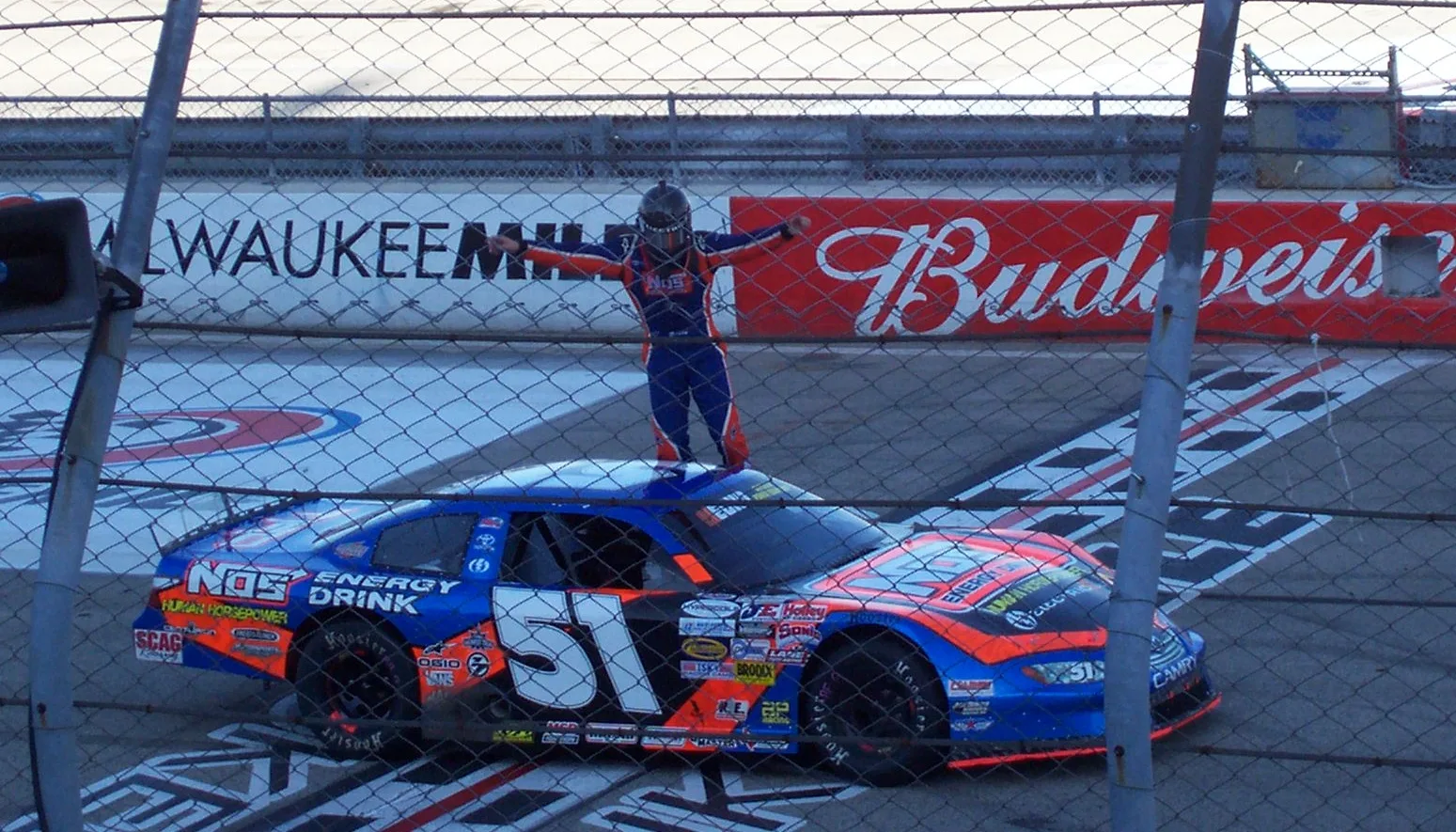
The Hendrick Years (2005–2007): Raw Talent Unleashed
At Hendrick Motorsports, Kyle quickly established himself as one of the most naturally gifted drivers in the sport. He won his first Cup Series race in 2005 at California Speedway. But the relationship was complicated — Hendrick’s garage included Jimmie Johnson and Jeff Gordon, and the pressure of competing alongside his own teammates was intense.
After three seasons, a change came that would define his career.
Joe Gibbs Racing and the No. 18: The Defining Partnership (2008–2023)
When Kyle Busch joined Joe Gibbs Racing in 2008, driving the No. 18 Toyota, something clicked that would produce one of the greatest sustained runs of dominance in NASCAR history.
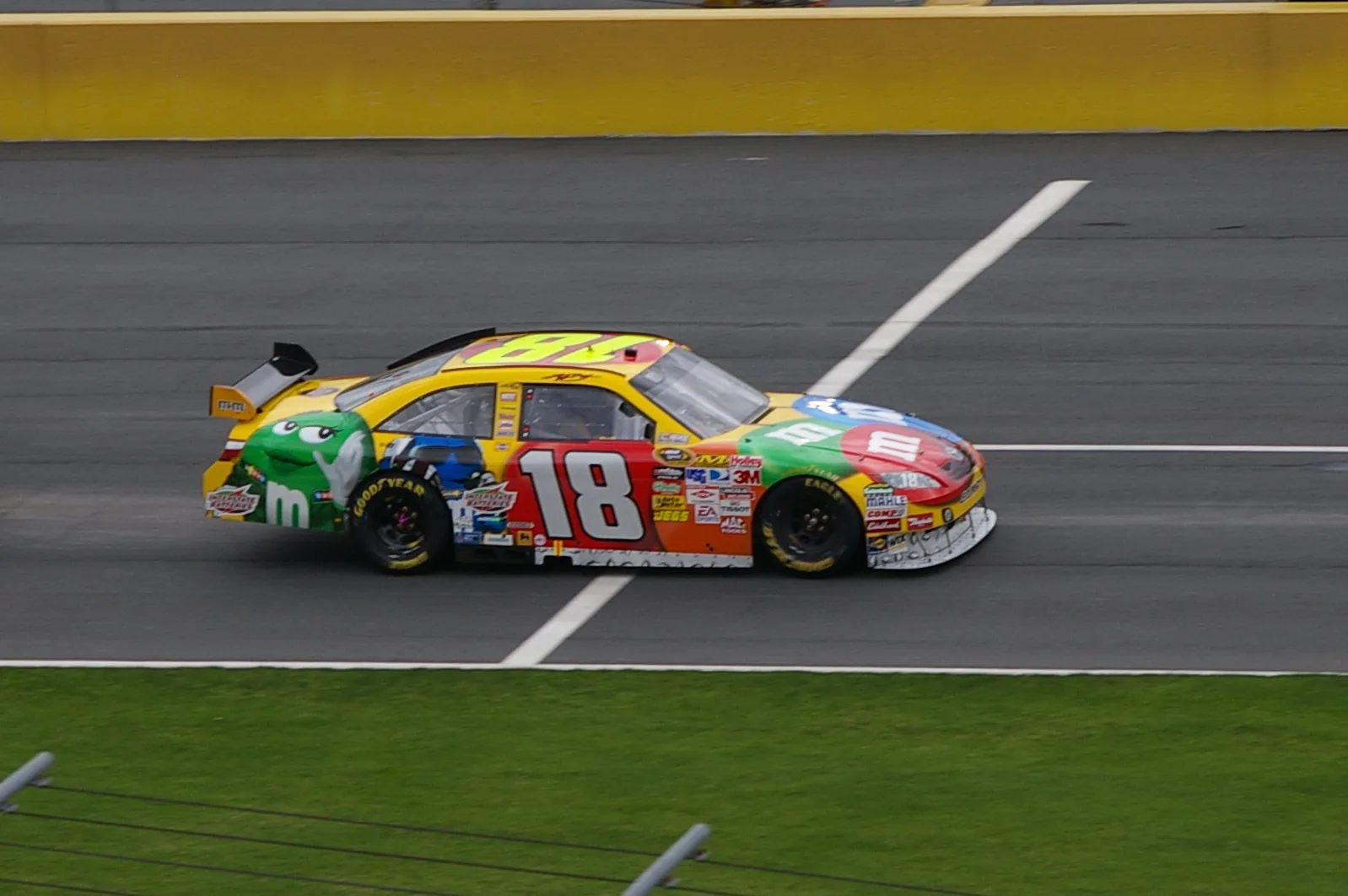
The No. 18 M&M’s Toyota became the most recognisable car number in the sport. Year after year, Busch won races — and not just a few. He finished in the top 10 in race wins every single season. He won on every type of track: superspeedways, road courses, short tracks, intermediate ovals. He was impossible to contain.
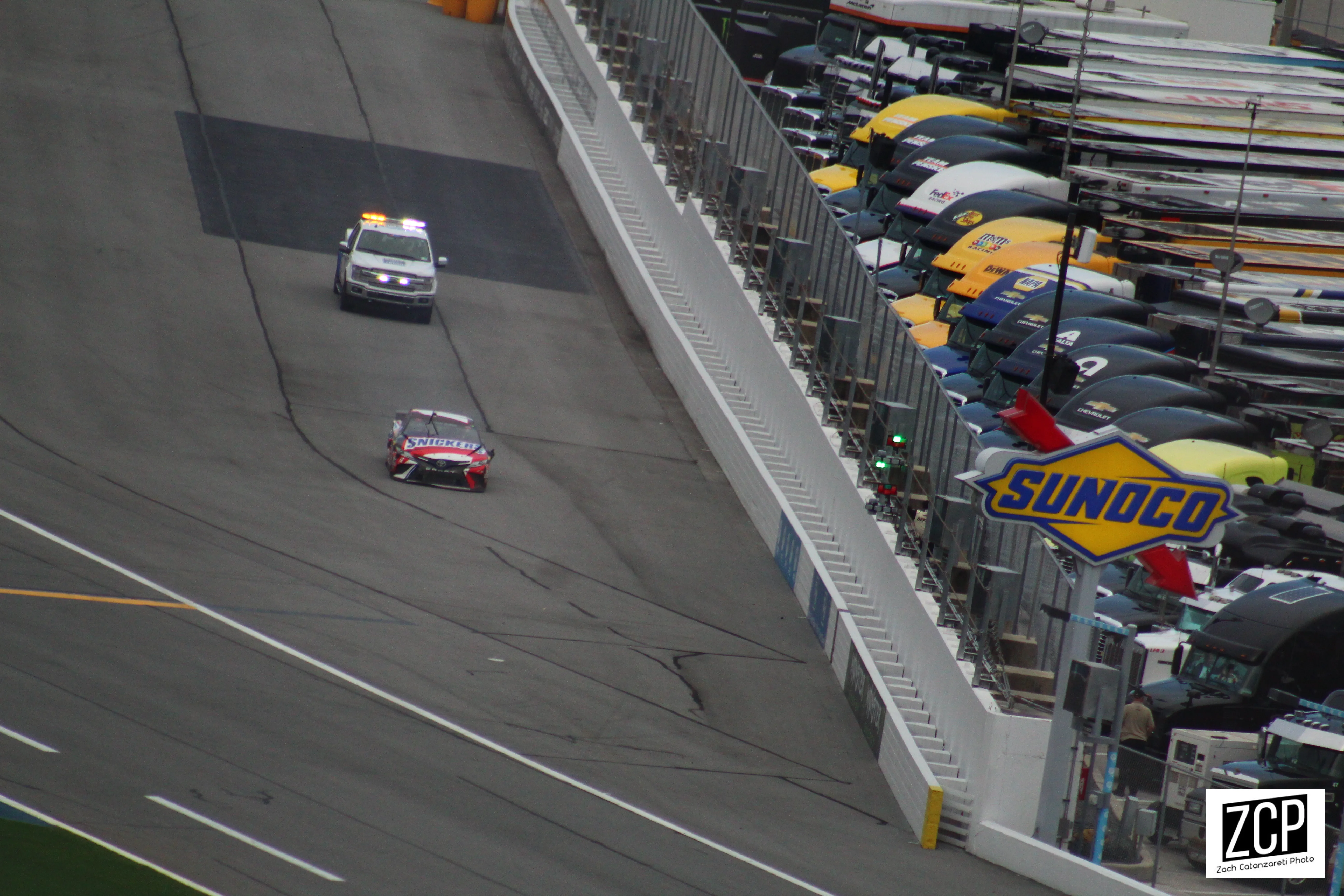
Key highlights from the Joe Gibbs years include:
- 2008 Southern 500 — a statement win at one of NASCAR’s most iconic events
- 2015 NASCAR Cup Series Championship — his first title, won after a mid-season injury that had nearly ended his year
- 2016 and Brickyard 400 — back-to-back wins at Indianapolis
- 2018 Coca-Cola 600 — a dominant performance at Charlotte
- 2019 NASCAR Cup Series Championship — his second title, cementing his place as one of NASCAR’s all-time greats
- 19 consecutive seasons with at least one Cup Series win — a series record that may never be broken
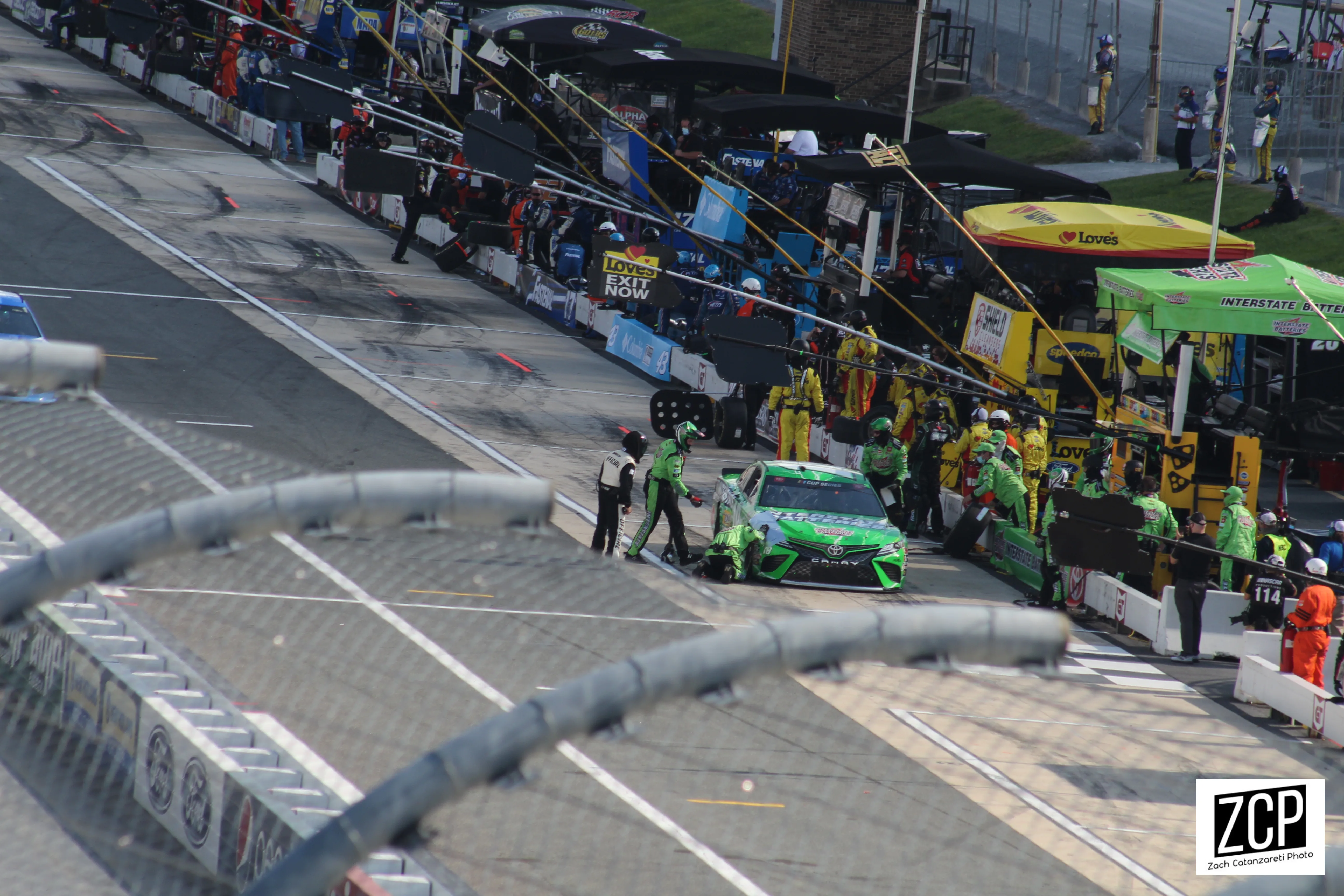
Kyle Busch Car: The Machines That Made History
Few questions get asked more often than what car does Kyle Busch drive? — and the answer changed throughout a 25-year career.
The No. 18 Toyota Camry (Joe Gibbs Racing, 2008–2023)
This is the car most people picture when they think of Kyle Busch. For 16 seasons, the No. 18 Toyota was his identity at the Cup Series level. The car wore many different sponsor liveries over the years:
- M&M’s — the most iconic, the yellow-and-red scheme that became synonymous with Busch
- Interstate Batteries — another long-running partnership
- Skittles, Snickers, Rowdy Energy — rotating sponsors that kept the car visually fresh
In 2023, after a contract dispute, Busch made a surprising move.
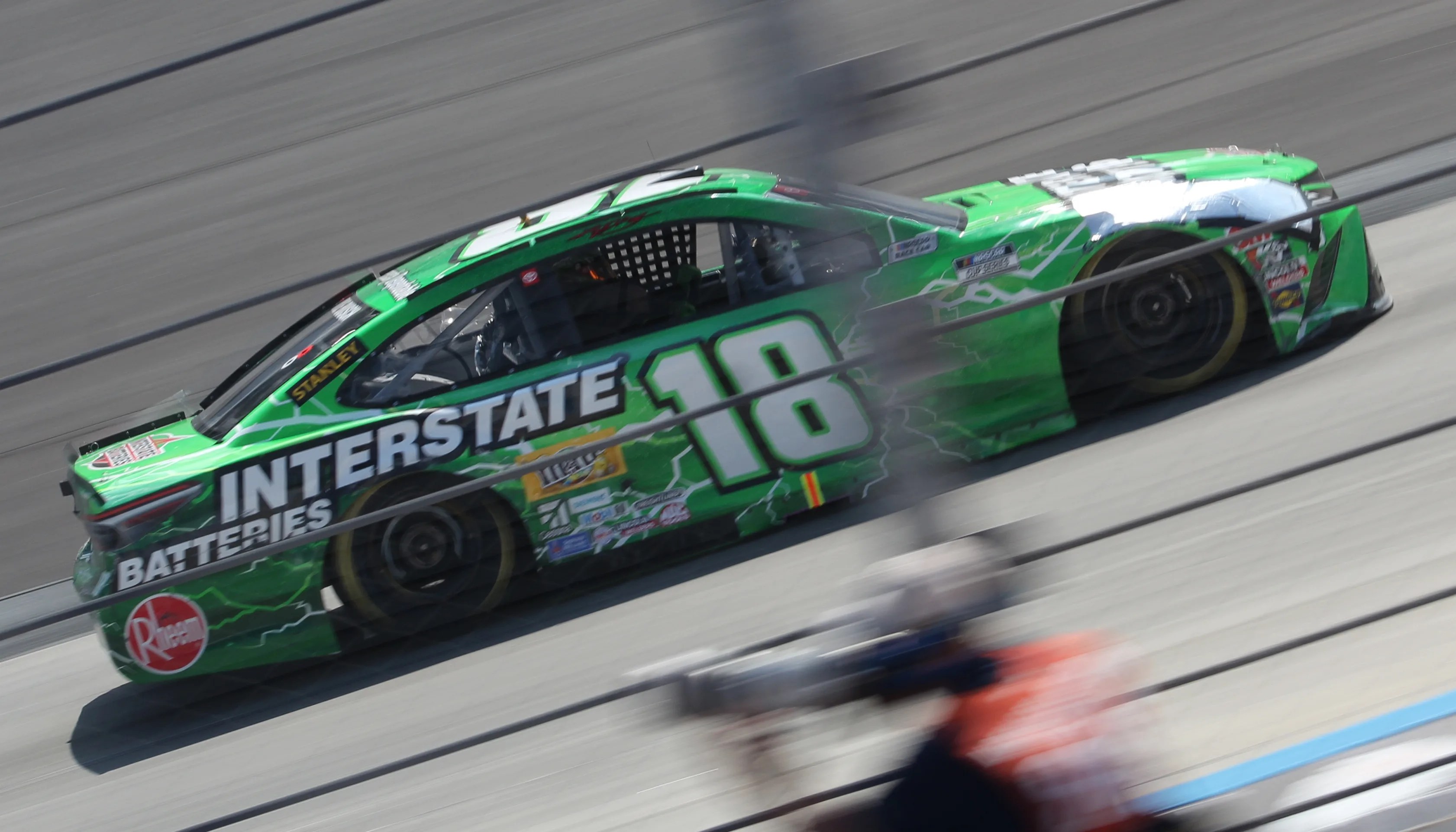
The No. 8 Chevrolet (Richard Childress Racing, 2023–2026)
When Busch moved to Richard Childress Racing and the No. 8 Chevrolet for the 2023 season, it raised eyebrows across the sport. After more than a decade as a Toyota man, Kyle was now driving a Chevrolet. The irony was not lost on anyone — RCR is the team where Dale Earnhardt Sr. made his legend, and the No. 8 carried its own history.
The transition was not without growing pains. But Busch remained a contender and continued to add to his win total. In May 2025, he and RCR announced an extension through the 2026 season. He never got to see the season through.
The No. 8 has now been formally retired in his honour.
Kyle Busch’s Greatest Achievements and Records
It is difficult to overstate just how dominant Kyle Busch was across his career. Here are the numbers that define his place in history:
All-Time Records
- 234 wins across NASCAR’s three national series — the all-time record
- 102 wins in the NASCAR Xfinity Series (now O’Reilly Auto Parts Series) — all-time record
- 69 wins in the NASCAR Craftsman Truck Series — all-time record
- 63 wins in the NASCAR Cup Series — ninth on the all-time list
- 19 consecutive seasons with at least one Cup Series win — a series record
Historic Firsts
- Youngest-ever Cup Series pole winner (19 years, 317 days, 2005)
- First driver to win a race and championship for Toyota in the Cup Series
- Only driver with 60+ wins in each of NASCAR’s three national series
- First driver to win races in all three national series in a single weekend (Bristol, 2010 — a feat he repeated at Bristol in 2017)
Championships
- 2009 NASCAR Nationwide Series Championship
- 2015 NASCAR Cup Series Championship
- 2019 NASCAR Cup Series Championship
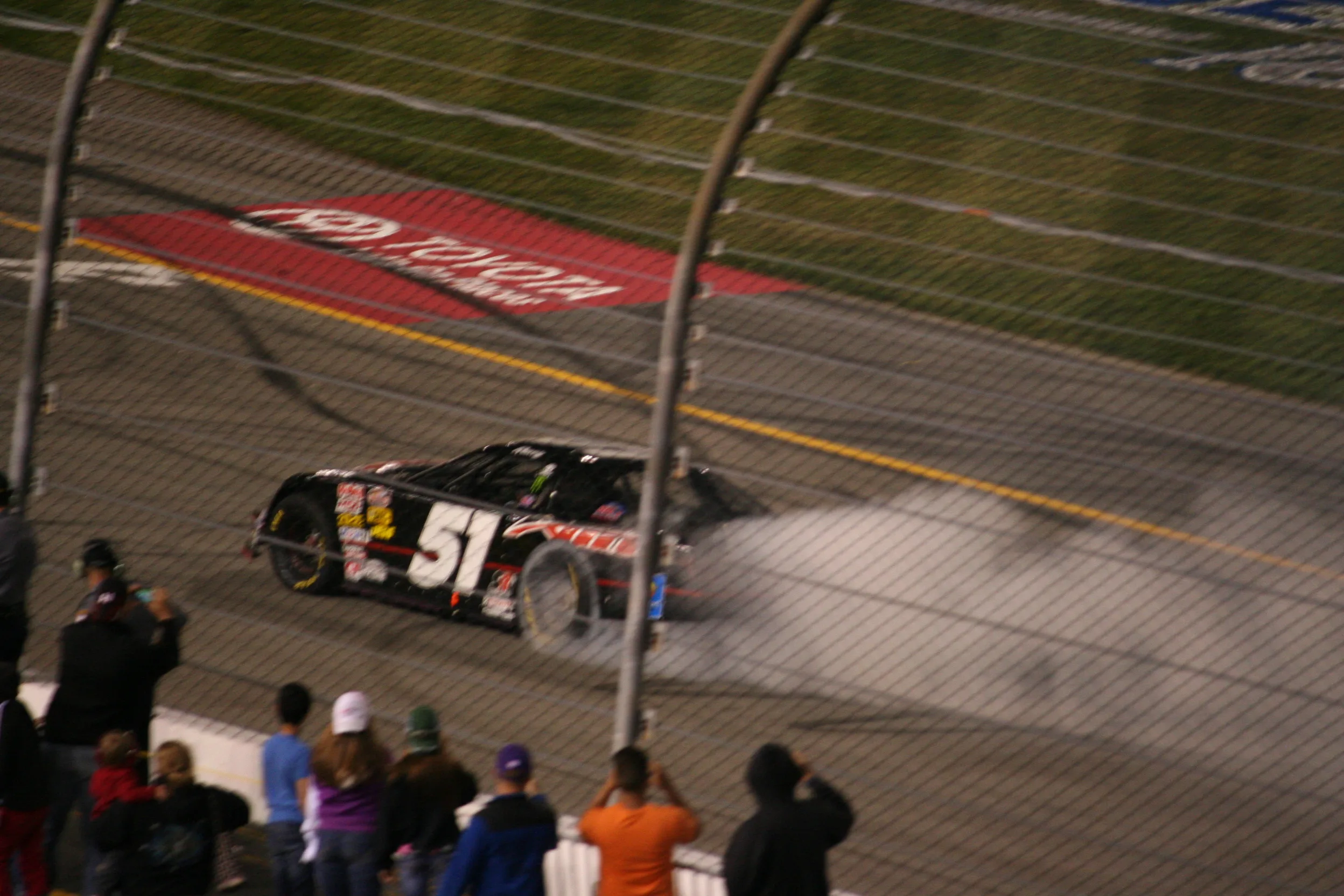
Kyle Busch’s Early Career: The Las Vegas Kid Who Took the World by Storm
Long before the M&M’s sponsorships and the championship trophies, Kyle Busch was a kid from Las Vegas who could drive anything faster than anyone.
His father Tom raced dwarf cars, and Kyle grew up around engines and racetracks. By age ten, he was crew chiefing for his older brother Kurt’s racing program. By his early teens, he had won more than 65 Legends car races across the western United States — a staggering number that made clear this was no ordinary talent.
His NASCAR debut came in 2001 in the Craftsman Truck Series. By 2003, he was in a Hendrick Motorsports development program. By 2005, he had won his first Cup Series race. He was 20 years old.
“He came in with that Las Vegas edge,” one longtime NASCAR observer once noted. “He drove like he had nothing to lose. Because back then, he didn’t.”
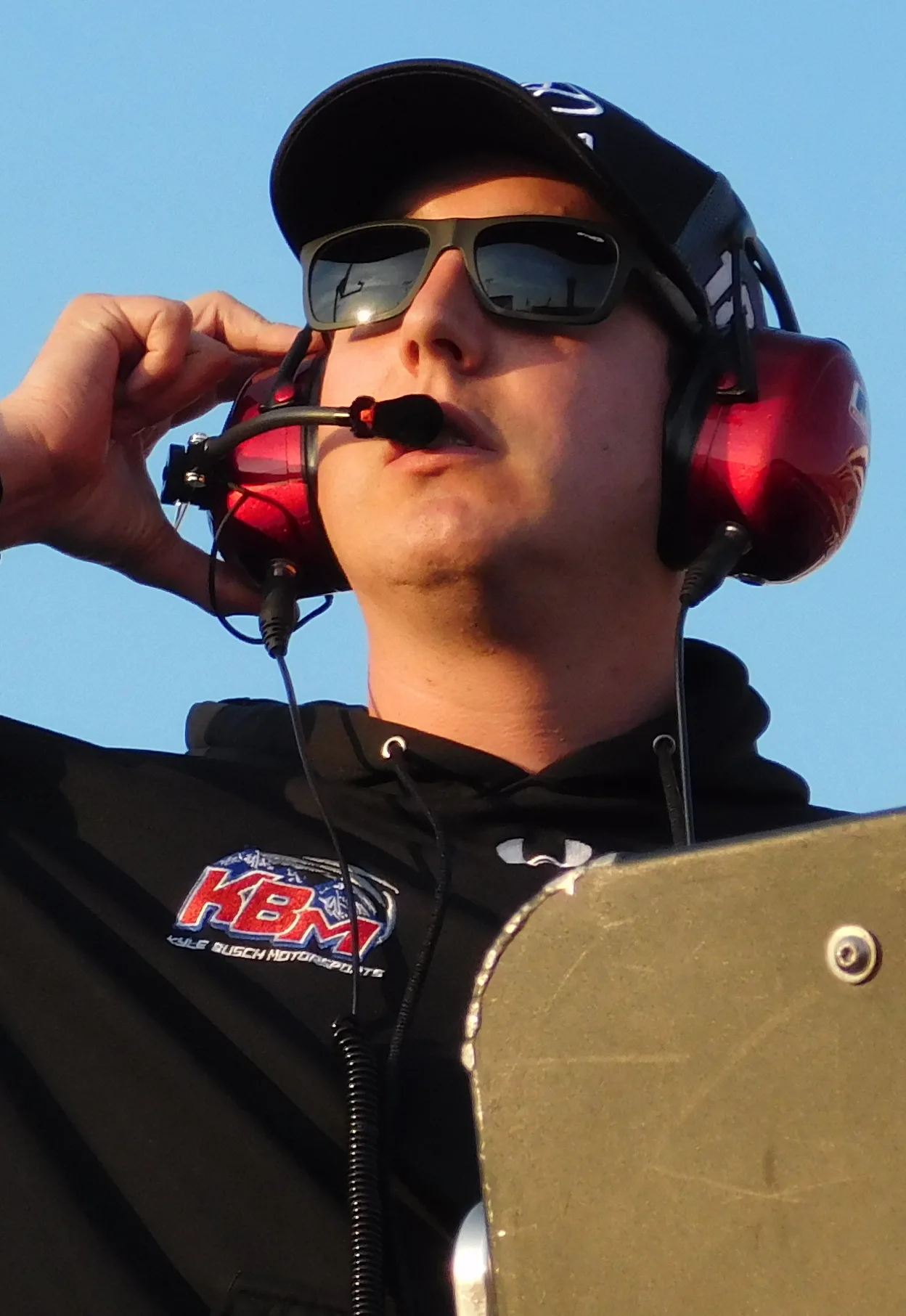
Kyle Busch as a Team Owner: Building the Next Generation
What many casual NASCAR fans do not fully appreciate is that Kyle Busch was not just a driver — he was also one of the sport’s most respected and successful team owners.
Kyle Busch Motorsports (KBM) was founded in 2010 and competed primarily in the NASCAR Craftsman Truck Series. In its very first season, KBM won the Truck Series owners’ championship — a remarkable achievement for a debut team.
Over more than a decade, Kyle Busch Motorsports became a launching pad for young talent. Drivers including William Byron, Todd Gilliland, Christopher Bell, and John Hunter Nemechek all developed under the KBM banner before moving up to the Cup Series. Kyle’s investment in young talent was a defining part of his legacy off the track.
In 2021, KBM ran one of its most successful Truck Series campaigns, recording a memorable 1-2-3 finish at Richmond Raceway with John Hunter Nemechek, Chandler Smith, and Busch himself in the truck.
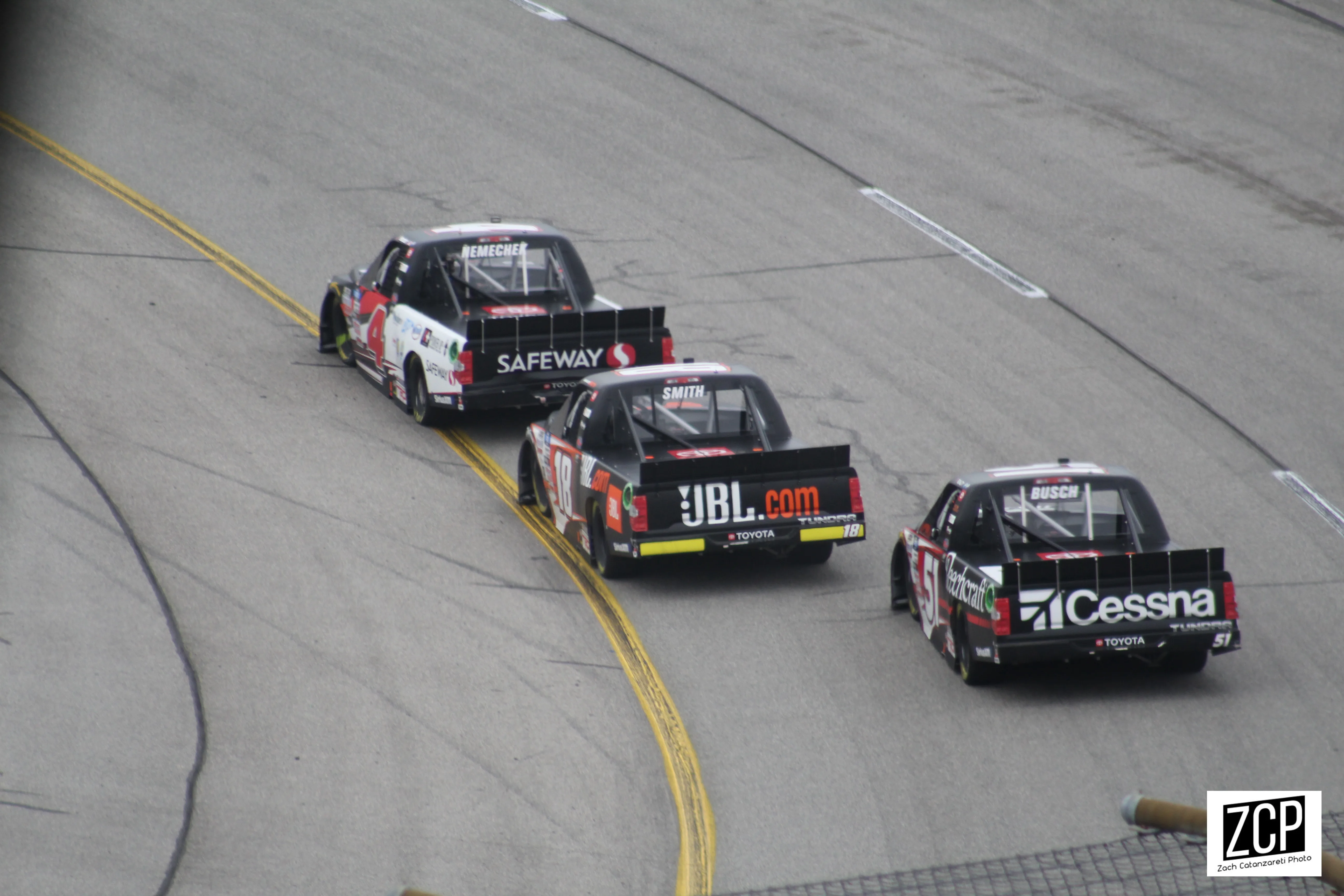
KBM was sold to Spire Motorsports in January 2023 when Busch made his move to Richard Childress Racing — but his legacy as a team builder endures in the careers of every driver he mentored.
Kyle Busch’s 2015 Championship: The Comeback Story That Defined Him
Of all the chapters in Kyle Busch’s racing life, the 2015 season stands apart. It is, by any measure, one of the greatest comeback stories in NASCAR history.
In February 2015, Kyle Busch crashed heavily at Daytona International Speedway during the NASCAR Xfinity Series race. The impact broke his right foot and left leg severely. Doctors were unsure if he would walk normally again. Racing in 2015 seemed out of the question.
He missed the first 11 races of the Cup Series season. Under the then-new NASCAR playoff format, missing that many races while injured meant he needed a special waiver simply to be eligible for the championship if he returned and performed at a high enough level.
He returned. He performed. And at the end of the season, Kyle Busch stood in the winner’s circle as the 2015 NASCAR Cup Series Champion — having missed nearly a third of the regular season and still winning the title. It remains one of the most extraordinary individual achievements in the sport’s modern era.
“I don’t think people fully grasp what that year meant,” he said years later. “I fought back from something that could have ended everything.”
Kyle Busch’s 2019 Championship: Completing the Legacy
Four years later, in 2019, Busch won his second Cup Series title — this one without the dramatic injury narrative, but with all the brilliance that defined his career. He won eight races on the way to the championship, dominating the season in a way that reminded everyone why the No. 18 Toyota was, year after year, the car every other driver had to beat.
The 2019 ESPY Award for Best Driver followed. It was his second (he had won in 2016 as well). He was, by any fair assessment, one of the two or three best drivers of his generation.
Kyle Busch’s Public Appearances and Media Life
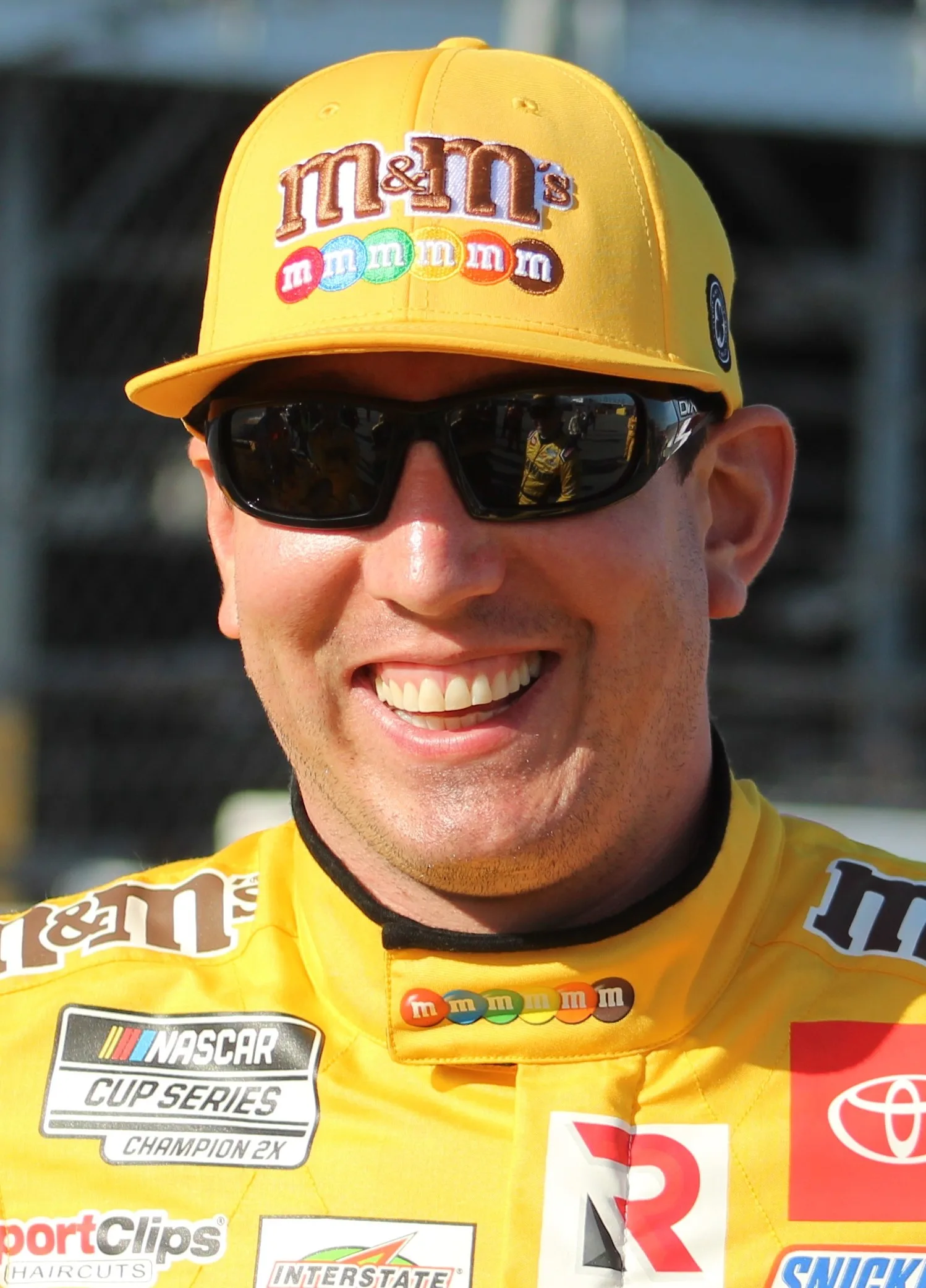
Away from the racetrack, Kyle Busch was a distinctive and memorable public figure. He appeared as a playable character in multiple NASCAR video games. He had a brief, memorable cameo in the 2017 Steven Soderbergh film Logan Lucky. He appeared on The $100,000 Pyramid game show in 2017 and co-starred in CMT’s Racing Wives reality series.
In 2019, at a WWE live event, he briefly won the WWE 24/7 Championship — a moment that captured exactly the kind of “why not?” energy that made Busch so compelling as a personality.
He was also the founder of Rowdy Energy, a healthier energy drink brand launched in January 2019 and named after his lifelong nickname. The brand operated through January 2024.
The “Rowdy” Persona: Why NASCAR Fans Couldn’t Get Enough
Kyle Busch was not a driver who tried to be liked. He was a driver who tried to win.
Nicknamed “Rowdy” early in his career — a name that stuck because it was so perfectly accurate — Busch embraced the role of NASCAR’s villain with an almost theatrical relish. He celebrated aggressively. He complained loudly. He raced hard and expected everyone else to do the same, and if they didn’t, he made his opinion clear.
Fans who loved him worshipped him. Fans who disliked him showed up in their thousands to boo him — and he fed off every decibel.
“The boos and the cheers are the same energy,” he once said. “People are feeling something. That’s what matters.”
This was Kyle Busch’s gift: even when people disagreed with him, they were watching. They were engaged. They cared. In an era where professional sports constantly compete for attention, that quality is rarer and more valuable than almost any championship trophy.
Kyle Busch’s Family: The Heart Behind the Helmet
Behind the racing career and the competitive fire was a man deeply committed to his family.
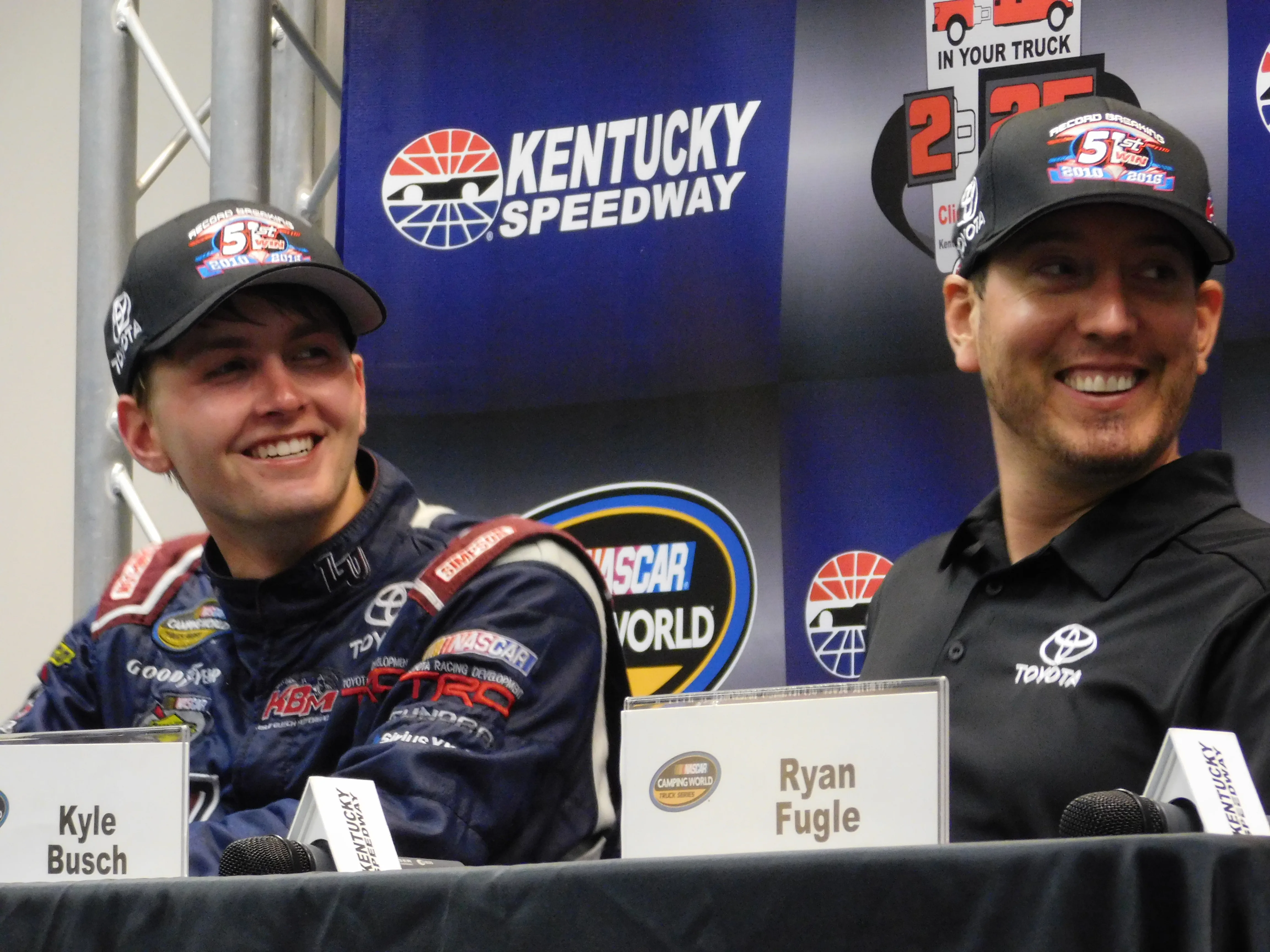
Kyle married Samantha Sarcinella on December 31, 2010, in Chicago. Samantha, who holds a psychology degree from Purdue University, became one of the most visible NASCAR family members — a warm and widely admired presence in the paddock and on social media.
Together they have two children: Brexton, born in 2015 (the same year Kyle won his first championship), and Lennix, born in 2022. Brexton has already shown significant racing talent of his own, competing in kart racing and quarter midgets at a level that made many in the NASCAR world wonder if a second generation Busch champion might one day be possible.
Richard Childress Racing’s decision to reserve the No. 8 car for Brexton, should he choose to pursue NASCAR, was an emotional acknowledgement of that possibility.
Kyle also established the Kyle Busch Foundation in 2006, dedicated to supporting underprivileged children and their families. The charity work, less visible than the racing victories, was something he carried with quiet pride throughout his career.
Kyle Busch’s Final Race: Going Out a Winner
There is something both heartbreaking and fitting about the way Kyle Busch’s racing career ended.
His final Cup Series start was the Go Bowling at The Glen on May 10, 2026, at Watkins Glen International, where he finished eighth. Ten days later, on May 15, 2026, he climbed into a truck for the Ecosave 200 at Dover Motor Speedway — and won.
Win number 234. The all-time record, final, and complete.
Six days after that win, he was gone.
The sport is still processing the fact that Kyle Busch’s last competitive act was a victory. For a driver who lived to win, who defined himself by winning, who was constitutionally incapable of accepting anything less than winning — there is something deeply right about that.
He left the way he arrived: at the front.
The Tributes: NASCAR Honors One of Its Greatest
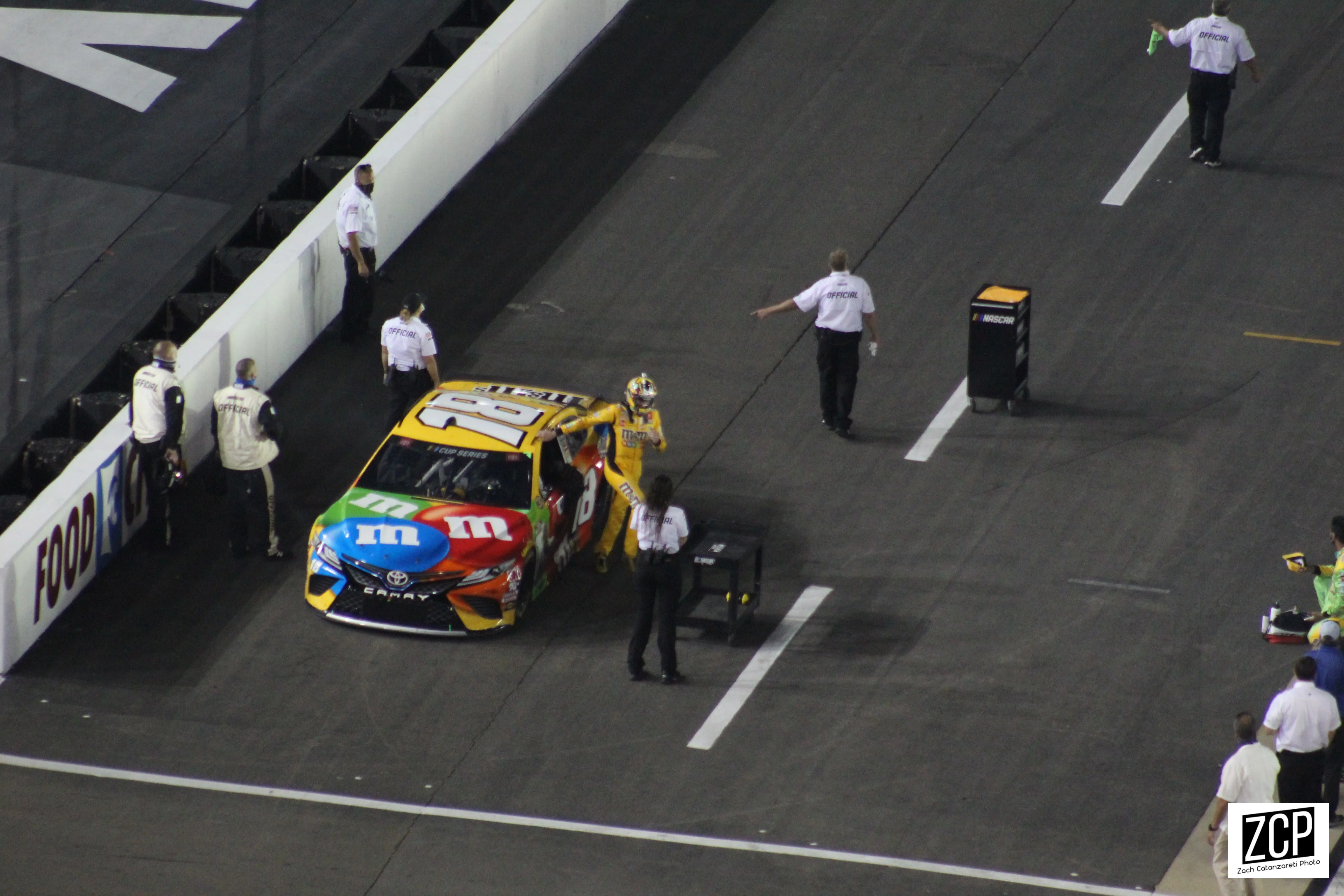
The outpouring of grief and celebration following Kyle Busch’s death was unlike anything NASCAR had seen in the modern era.
Richard Childress Racing suspended competition for the No. 8 car and announced the car would be renumbered as the No. 33 for the remainder of the season — with the No. 8 held for Brexton. Dozens of NASCAR teams placed Kyle Busch Motorsports tribute decals on their vehicles for the next race weekend.
At Charlotte Motor Speedway, the first major Cup Series race weekend following his passing, fans arrived by the thousands before any engines turned over. They brought flowers, racing memorabilia, replica No. 18 and No. 8 car models, handwritten notes. The tributes at the track gates formed a memorial that stretched more than 200 feet.
Race broadcasts led with long tributes. NASCAR.com published a statement calling Busch “a once-in-a-generation talent whose impact on our sport cannot be measured.” Former rivals described him as the greatest driver they ever had to beat. Former teammates described him as the most committed racer they ever shared a garage with.
The phrase that appeared most often, from fans and competitors alike, was simple: “There will never be another one like him.”
Kyle Busch’s Lasting Legacy: What He Meant to NASCAR
In the years to come, historians of the sport will write extensively about Kyle Busch’s statistical dominance. The numbers are extraordinary and may never be equalled. But statistics alone cannot capture what made Kyle Busch matter.
He mattered because he made every single race worth watching. Because you never knew what he might do — whether it would be a breathtaking pass, an emotional burnout, a public disagreement with a rival, or one of those quiet moments in victory lane where the competitor dissolved briefly into a human being expressing genuine joy.
He mattered because he was honest. In a world where athletes are coached to be careful and measured in everything they say, Kyle Busch was raw and real. You always knew where you stood with him.
He mattered because he built something lasting — not just a career record, but a team, a roster of mentored champions, a charitable foundation, a family. Brexton Busch is out there on go-kart tracks right now. The legacy continues.
And he mattered because he loved it. He loved racing with every single part of himself, every time he got in a car, from the very first race to the very last.
Win number 234. Dover Motor Speedway. May 15, 2026.
Kyle Busch, going out the only way he knew how — in first place.
Conclusion: Rowdy Forever
There is a corner of the motorsports world that will remain permanently marked by the presence of Kyle Thomas Busch. It is the corner where pure talent meets unyielding will, where controversy meets brilliance, where a driver from Las Vegas became the greatest winner in NASCAR history.
The kyle busch images that will endure are not just the ones from victory lane, though there are dozens of those to choose from. They are the images of a young man in a Las Vegas racing program learning what he could do. The images of him in hospital in early 2015 with a broken leg and a dream still intact. The images of him with Samantha and Brexton and Lennix. The images of him being booed and cheering right back at the crowd.
He was the most interesting person in whatever room — or racetrack — he occupied.
The kyle busch car, the No. 18, will be displayed at NASCAR’s Hall of Fame museum. His statistics are already enshrined in the record books. His foundation continues its work. His son is learning to drive.
The sport will go on. But the gap that Kyle Busch leaves behind is real, and permanent, and felt in every garage and grandstand in NASCAR.
He was one of a kind. And the best possible thing you can say about a life in sport is this:
He was here. He competed. He left his mark on everything he touched.
Rowdy forever.
Sources: NASCAR.com | ESPN | CNN | Wikipedia | Jayski’s Tribute Page
Images: Wikimedia Commons / CC BY 2.0, CC BY 4.0, CC BY-SA 2.0 — Photographers: Sarah Stierch, Zach Catanzareti, tequilamike, Mike Kalasnik